This content has been translated from the original text.
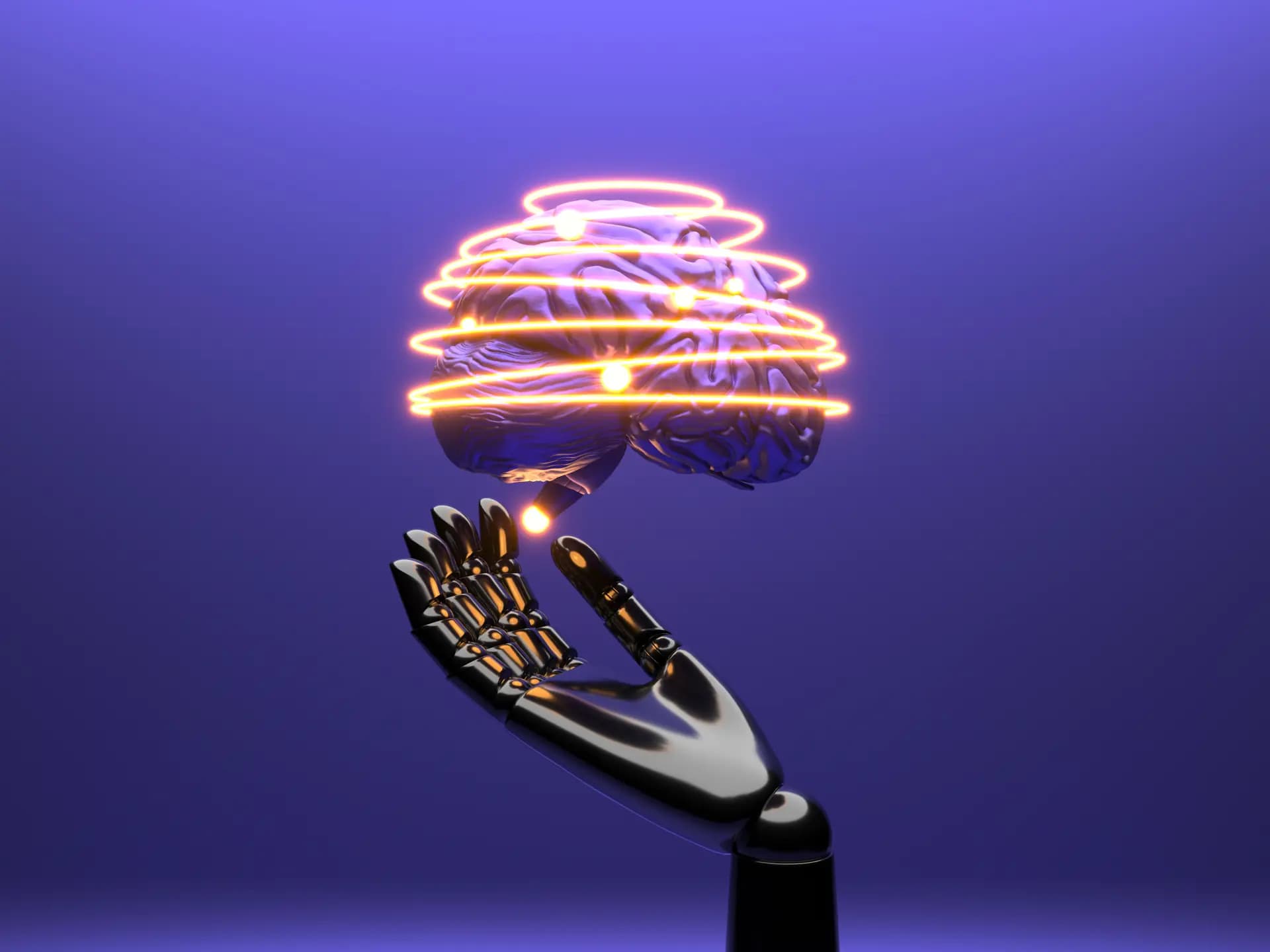
Artificial intelligence is a technology capable of performing complex tasks by means of algorithms and learning models. However, the ability of these systems to produce creative works has shaken the traditional concept of copyright. For example, the ability of an artificial intelligence model to compose music or create paintings has raised the question of who will be the copyright holder of such works.
Artificial Intelligence and Copyright
- Introduction
Artificial intelligence can be defined as an interdisciplinary field of science concerned with the endeavour of enabling machines to perform all the cognitive activities carried out by humans far more successfully than humans do.
Artificial intelligence is one of today's fastest-developing technologies and is profoundly affecting a range of industries. It has brought groundbreaking advances in data analysis, learning and problem-solving. The fact that this technology has creative potential has, at the same time, brought legal issues such as copyright with it.
Artificial intelligence is a technology capable of performing complex tasks by means of algorithms and learning models. However, the ability of these systems to produce creative works has shaken the traditional concept of copyright. For example, the ability of an artificial intelligence model to compose music or create paintings has raised the question of who will be the copyright holder of such works.
- The Legal Nature of Copyright and Intellectual Works Produced by Artificial Intelligence
Traditional copyright is based on human creativity. Under Law No. 5846 on Intellectual and Artistic Works (FSEK), copyright is the vesting by law, in certain persons, of the rights relating to the use, dissemination and reproduction of any intellectual product. Together with copyright, the moral rights of the author in the work he or she has created are also protected. Copyright remains valid for as long as the author who created the work is alive.
By contrast, there is no provision in the Law on Intellectual and Artistic Works regarding the legal fate of intellectual products generated by artificial intelligence. While the Law does not state that such intellectual products will be accepted as works if they meet the conditions set out in Article 1/B/a of the FSEK, it does not contain any provision to the contrary either. For example, will a piece of music or a picture generated by an artificial intelligence algorithm hold copyright? This question exposes a fundamental problem concerning the requirement that creativity derive directly from a human being.
As regards who the copyright holder is, since under the existing legal rules the author is regarded as a “natural person”, there are various alternative views as to who holds the rights in products generated by artificial intelligence: the creator of the artificial intelligence, its user, the artificial intelligence itself, or public authorship. However, the prevailing view in legal doctrine is that the status of a work cannot be accepted without an express provision in the legislation, and that the existing laws therefore need to be renewed and updated in order to address the problems relating to works generated by artificial intelligence and to find a fair solution.
On the other hand, there are also legal policies around the world that accept that products generated by artificial intelligence do not expressly qualify as works. For example, it is expressly stated that under the practices of the United States Copyright Office, only original intellectual products created by a human being will be registered as works. Today, although some countries have clear rules on this subject, it is quite difficult to establish a standard at the international level. The copyright in content generated by artificial intelligence involves legal uncertainty in determining who the creator is, not only in Türkiye but throughout the world.
- Artificial Intelligence and Copyright: Key Issues
- Uncertainty over Copyright Ownership: An image, piece of music or text generated by an algorithm does not belong to a creator in the traditional sense, which is why the question of copyright ownership becomes complex. This creates uncertainty regarding the commercial use, licensing and protection of such works.
- Privacy and Copyright Infringement: Artificial intelligence improves its learning processes by analysing large amounts of data. However, this use of data often brings privacy concerns with it. In relation to copyright, this may give rise to issues such as who has authorised the use of the data and for what purposes the data is used.
Copyright grants the creator of a work a right of ownership for a certain period of time. However, in the case of works produced by an algorithm, it is unclear who owns these works and, consequently, who holds the copyright. This situation may lead to problems that arise during the term of copyright protection.
- Liability and Compensation: Artificial intelligence can be a system capable of making decisions on its own, and in this case the errors that may arise can give rise to liability for compensation. For example, if an artificial intelligence model produces content that infringes copyright, there is still no clear answer as to who is responsible.
- Conclusion:
Matters such as whether data processed by artificial intelligence is subject to copyright, who owns this data and how it is used are areas in which copyright laws need to be adapted. There is a need for clear and comprehensive regulation on matters such as the property rights in content generated by artificial intelligence and the commercial use of such content. The relationship between artificial intelligence and copyright will continue to change with the evolution of technology and the law. However, in order for these changes to be fair, transparent and sustainable, it is inevitable that the legal frameworks be redrawn and the necessary regulations be made.